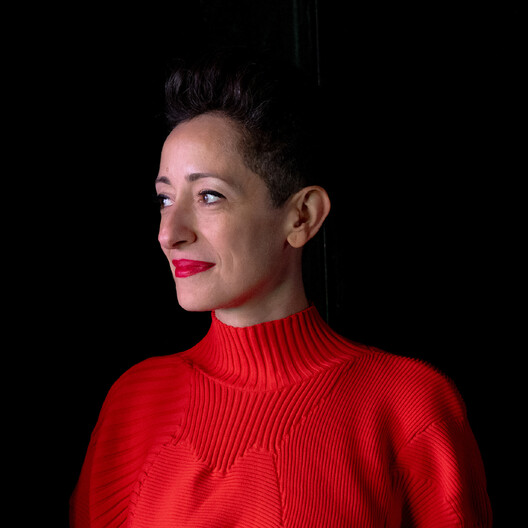
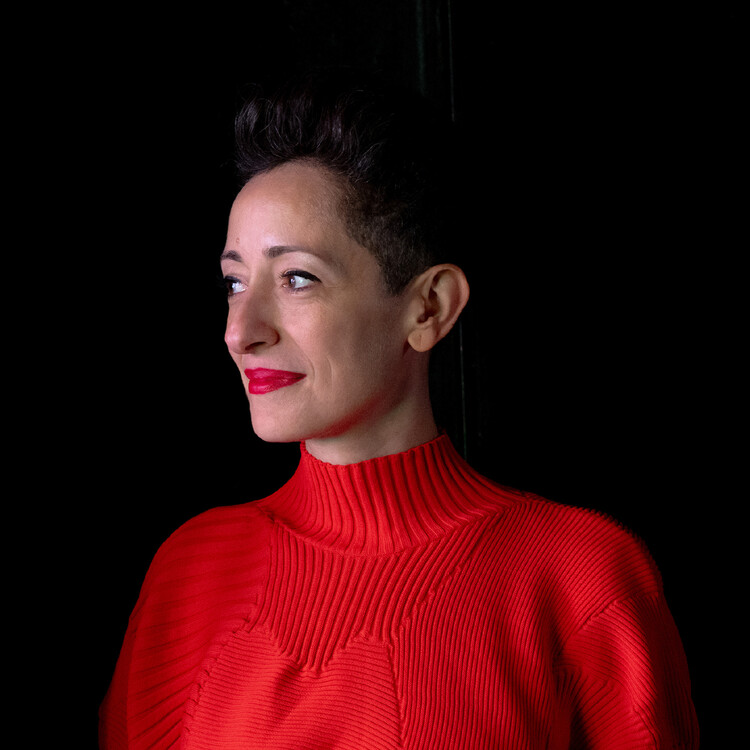
French-Lebanese architect Lina Ghotmeh has been recognized on the TIME100 Next 2025 list, an annual ranking of emerging leaders and innovators across disciplines. Known for her sensitive approach to context and materiality, Ghotmeh has built an international portfolio that bridges tradition and modernity. In her TIME profile, written by Danish architect Bjarke Ingels, Ghotmeh is praised for combining historical awareness with forward-looking experimentation. The acknowledgment positions her as the only architect on this year's list, highlighting the continued presence of design voices in a ranking that typically spans entertainment, politics, science, and business.


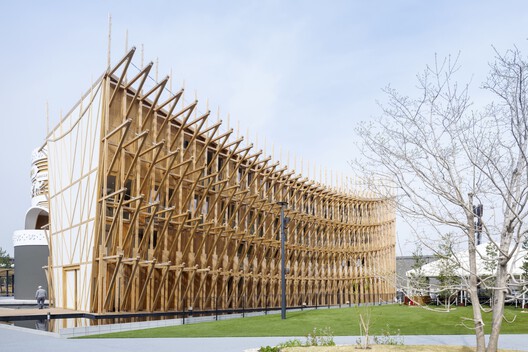
Ghotmeh's practice, Lina Ghotmeh Architecture, has been exploring the intersection of material innovation, cultural memory, and human-scale experiences, establishing her as a distinctive voice in contemporary architecture. Among her notable works are the Bahrain Pavilion at Expo 2025 Osaka; the Serpentine Pavilion 2023 in London, constructed as a glulam structure with a theme of communal gathering; and the Hermès Workshop in Normandy. She is also leading various cultural projects, including the renovation of the British Museum's Western Range galleries and the design of the permanent Qatar Pavilion at the Venice Biennale.
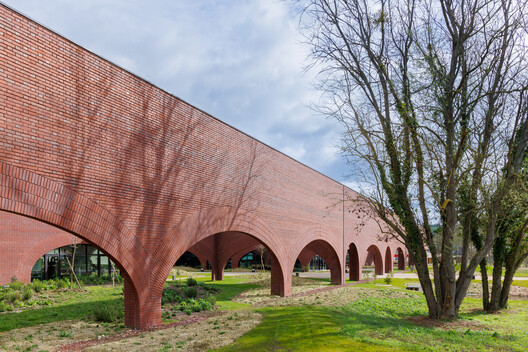
Since its inception in 1999, TIME100 has highlighted individuals who shape global culture and influence the world each year. In 2019, the magazine launched TIME100 Next, aimed at recognizing rising figures expected to leave a lasting impact. Architects and designers have periodically appeared on both lists, underlining the discipline's relevance in addressing cultural, social, and environmental challenges. Over the years, the selection has included names such as Zaha Hadid, Wang Shu, Bjarke Ingels, David Adjaye, Elizabeth Diller, Jeanne Gang, Francis Kéré, Lesley Lokko, Marina Tabassum, and Ma Yansong.
Related Article
Bringing People Together Through Architecture: In Conversation with Lina Ghotmeh, the Designer of the 2023 Serpentine PavilionRead on to discover 11 architects that has been selected to TIME100 and TIME100 Next over the years.
Ma Yansong
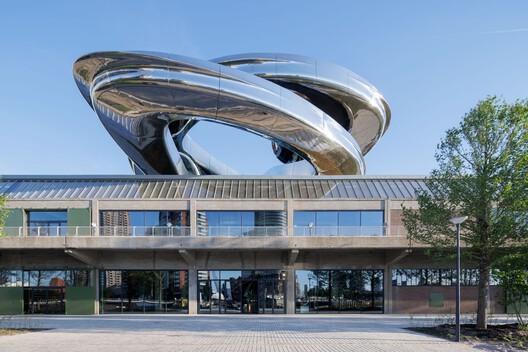
Selected to the TIME100 in 2025, Ma Yansong has been recognized for his visionary approach to architecture, which reimagines the relationship between the built environment and nature. Founder of MAD Architects, he has developed a portfolio that merges futuristic forms with landscape-inspired concepts. Recent works include a canyon-like cultural building in Denver and Fenix Museum of Migration in Rotterdam, a spiraling art institution reflecting themes of human movement and exchange.
Marina Tabassum
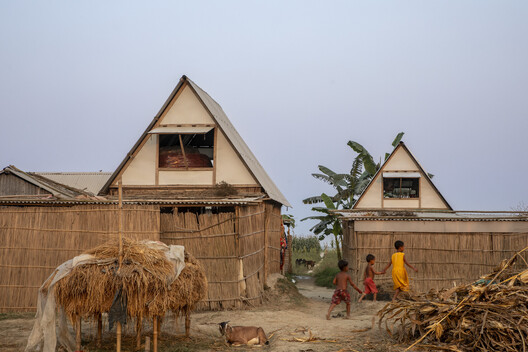
Marina Tabassum was named to the TIME100 in 2024 for her contextually responsive and socially driven architecture. Based in Dhaka, her practice has produced acclaimed projects such as the Bait-Ur-Rouf Mosque, noted for its interplay of light and brick, and the Khudi Bari housing prototypes, developed for climate-displaced populations in Bangladesh that received the Aga Khan Award for Architecture. Her approach emphasizes adaptability, resilience, and community empowerment.
Lesley Lokko
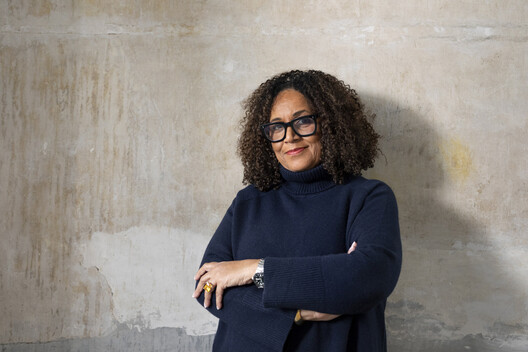
Lesley Lokko was also selected to the TIME100 in 2024 for her contributions to architectural education and cultural discourse. She founded the African Futures Institute in Accra, creating a new platform for architectural pedagogy, and curated the 2023 Venice Architecture Biennale, where she centered African and diasporic voices. As an author and educator, she has expanded the field's conversation around race, identity, and equity.
Vinu Daniel
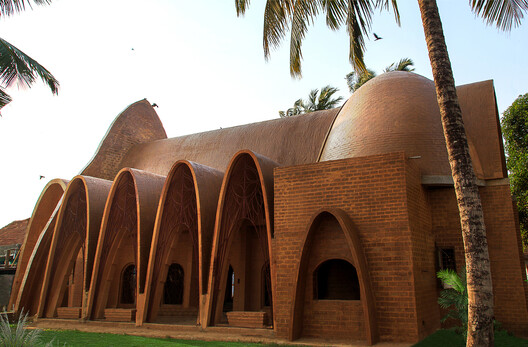
Vinu Daniel was included in the TIME100 Next in 2023 for his work with Wallmakers, a practice focused on sustainable design through the use of local and recycled materials. Projects such as the Chuzhi House in Shoolagiri, which integrates natural stone and soil, and the St. George Orthodox Church highlight his environmentally conscious and resource-efficient approach to architecture.
Francis Kéré
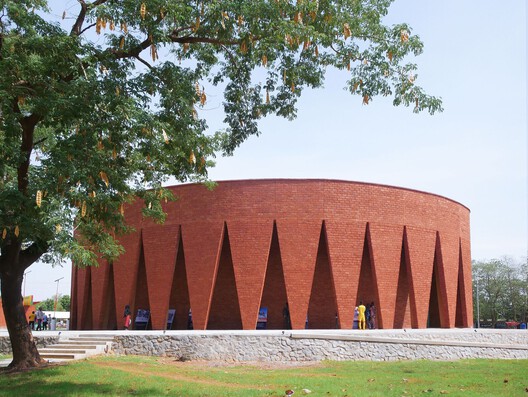
Francis Kéré was selected to the TIME100 in 2022, the same year he was awarded the Pritzker Prize, for his community-centered and climate-responsive architecture. His projects include the Gando Primary School in Burkina Faso, the Thomas Sankara Mausoleum in Ouagadougou, and the Serpentine Pavilion 2017 in London. His work demonstrates how architecture can empower communities through sustainable and participatory design.
Jeanne Gang
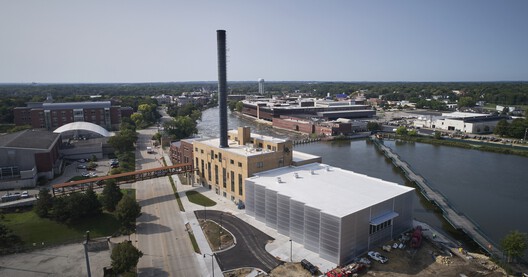
Jeanne Gang was selected to the TIME100 in 2019 for her environmentally engaged and socially inclusive design approach. As founder of Studio Gang, she designed Chicago's Aqua Tower, known for its distinctive undulating façade, and the Beloit College Powerhouse, a converted industrial facility turned student center. Her practice explores sustainability, material experimentation, and civic engagement.
Elizabeth Diller
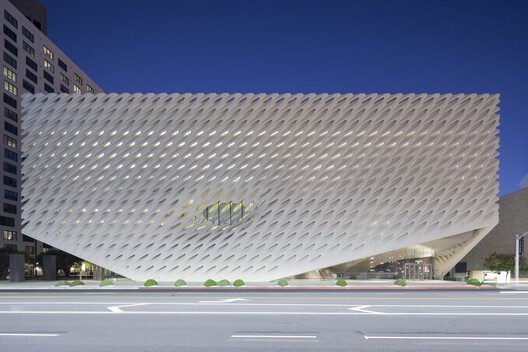
Elizabeth Diller was named to the TIME100 in 2018 for reshaping cultural and public architecture through her practice Diller Scofidio + Renfro. Among her most recognized projects are the High Line in New York, a model for urban reuse and green infrastructure, The Tide in London, the US Olympic and Paralympic Museum in Colorado, and The Broad Museum in Los Angeles.
David Adjaye
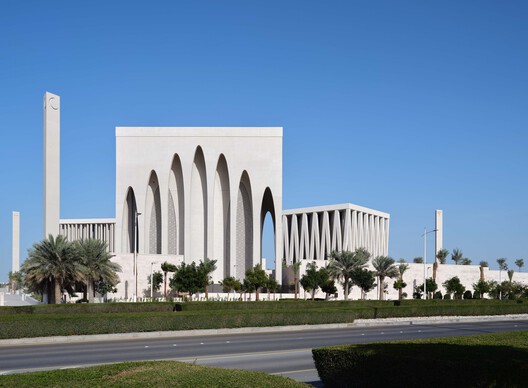
David Adjaye was selected to the TIME100 in 2017 for his civic and cultural works that engage deeply with history and identity. His practice has produced significant projects, including the Smithsonian National Museum of African American History and Culture in Washington, D.C., the Moscow School of Management Skolkovo, and, more recently, the Abrahamic Family House in Abu Dhabi.
Bjarke Ingels
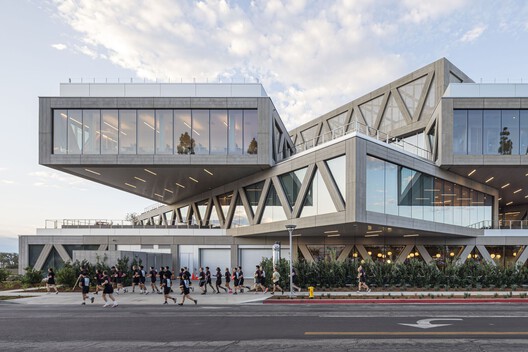
Bjarke Ingels was named to the TIME100 in 2016 for BIG's playful yet pragmatic architecture. His most recent project is the Claremont McKenna College Robert Day Sciences Center, and other notable works include VIA 57 West in New York, a hybrid between a skyscraper and a courtyard building; the CopenHill Energy Plant and Urban Recreation Center, Copenhagen's waste-to-energy plant topped with a ski slope; and Google Bay View, developed in collaboration with Heatherwick Studio in Mountain View.
Wang Shu
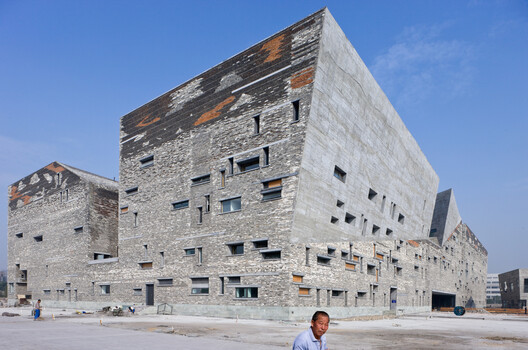
Wang Shu was included in the TIME100 in 2013, shortly after receiving the Pritzker Prize, for his synthesis of modern architecture with traditional Chinese craftsmanship. His works include the Ningbo History Museum, constructed with reclaimed materials, and the Xiangshan Campus of the China Academy of Art, blending vernacular techniques with contemporary design.
Zaha Hadid
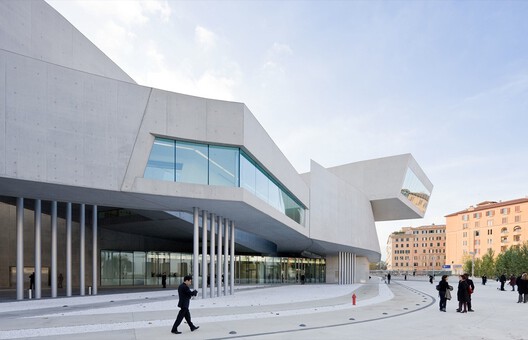
Zaha Hadid was selected to the TIME100 in 2010 for her parametric designs and transformative influence on the field. Iconic projects such as the MAXXI Museum in Rome, the Guangzhou Opera House, and the London Aquatics Centre illustrate her role in redefining architectural form and advancing global design culture.
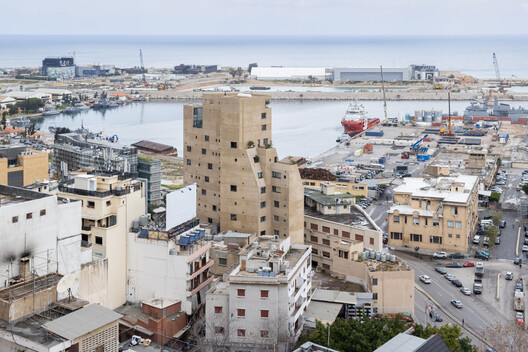
Lina Ghotmeh's inclusion in TIME100 Next 2025 highlights the significant role architects play in shaping cultural, social, and environmental narratives. Recently, Lina Ghotmeh — Architecture shared images of the AlUla Immersive Living project, a proposed dwelling envisioned to emerge organically from the desert landscape of Saudi Arabia. The studio has also unveiled plans to transform a historic residence in Bukhara, Uzbekistan, into a vibrant 21st-century cultural destination, further showcasing Ghotmeh's commitment to contextual and innovative architecture.